
10 f 2026 | UK Grant Giving
Education through boxing
The Boxing Academy provides high-quality alternative education for young people who are at risk of exclusion from mainstream schools. Its unique model pairs strong academic teaching with the discipline and ethos of boxing, giving pupils the structure and support they need to thrive.
Why it matters
School exclusion is one of the strongest predictors of poor life outcomes, including unemployment and involvement in crime. By re-engaging excluded pupils in education, the Boxing Academy helps young people change their trajectory.
Our role
We have supported the Boxing Academy with multi-year unrestricted funding to strengthen its leadership and help scale its proven model. Today, it is nationally recognised as a successful alternative provision, with ambitions to replicate its approach more widely.
www.theboxingacademy.co.uk
12 f 2026 | Water to the Home
The challenge
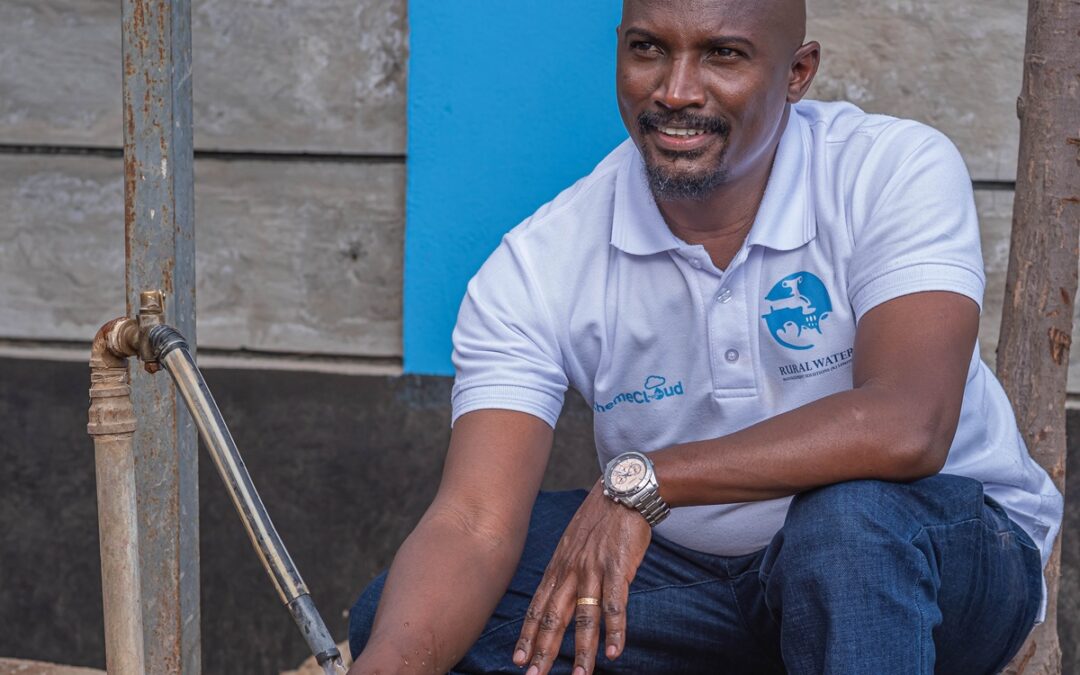
In Kenya, particularly in rural and peri-urban areas, many existing water supply systems are dysfunctional due to poor management systems. One of the key challenges is non-revenue water (NRW), a loss of revenue both from poor billing and revenue collection, leaks in the system and illegal connections.
Our approach
Established in 2019, RUWASCO is a Kenyan social enterprise committed to transforming water access in Kenya’s rural and peri-urban areas. The organisation focuses on small and medium-sized piped water systems, aiming to professionalise their management through:
- Digital water billing to increase revenue and efficiency
- Non-revenue water management to reduce costs and illegal connections
- Management training to improve performance
- Public-private partnerships to increase coverage of piped water services
Results
- 260,000+ people are accessing water from 87 water utilities across 12 counties.
- 80% uptime achieved in supported utilities.
- 16% improvement in billing efficiency and 8% improvement in revenue efficiency.
What’s next
Looking ahead RUWASCO aims to scale its impact by:
- Increasing the number of water utilities to serve a larger portion of the rural population to reach 200 utilities by the end of 2026.
- Deepening collaborations with county governments, local communities and private partners to ensure sustainable water access. Several MOUs have already been planned with more agreements underway.
- Achieve break-even in 2026.
Through these efforts, RUWASCO aims to contribute significantly to achieving universal access to clean and reliable water in Kenya’s rural areas.
12 f 2026 | Water to the Home
The challenge
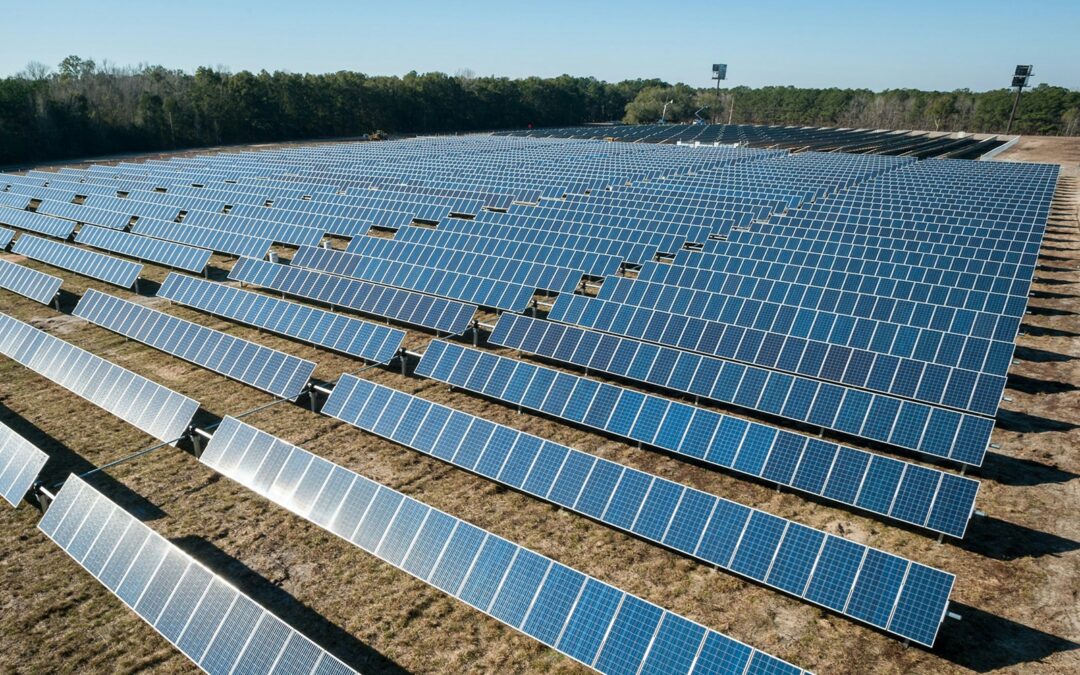
In Kenya, a key barrier preventing Water Service Providers (WSPs) from delivering safe water on a sustainable basis is the high cost of energy and unreliable grid connections, especially in rural areas. A solution to this is to use well-established solar technology to power water pumps which results in significant cost reductions and higher throughput. However, WSPs typically lack the capital to finance the installation and the local banking sector is wary of financing the water sector.
Our approach
We are supporting Epicenter to partner with community WSPs and drive performance improvement, chiefly solarisation, data collection, digitalisation and reduction in non-revenue water.
The programme will finance these upgrades with WSPs repaying the capex investment over 3–5 years through cost savings and increased revenues generated by the projects. Epicenter’s partner, InfoCap, will oversee repayment performance and provide ongoing financial monitoring.
Targets
- Solarise and improve financial viability of 18 community WSPs in 5 years.
- Over $500,000 of financing disbursed by 2030.
- Keep facility default rate under 10%, incentivising additional financiers to support the scale-up.
What’s next
By 2030, we aim to scale up this facility in Kenya to enable more WSPs to access capital for solarisation and other viability improvement projects on a pay-as-you-go basis using blended finance.
6 f 2026 | Water to the Home
The Foundation worked with the World Bank, a stakeholder with the power to achieve transformational change in the sector, to unlock private sector engagement and investment in piped water across five countries in Africa and Asia.
Fix the system, not just the financing
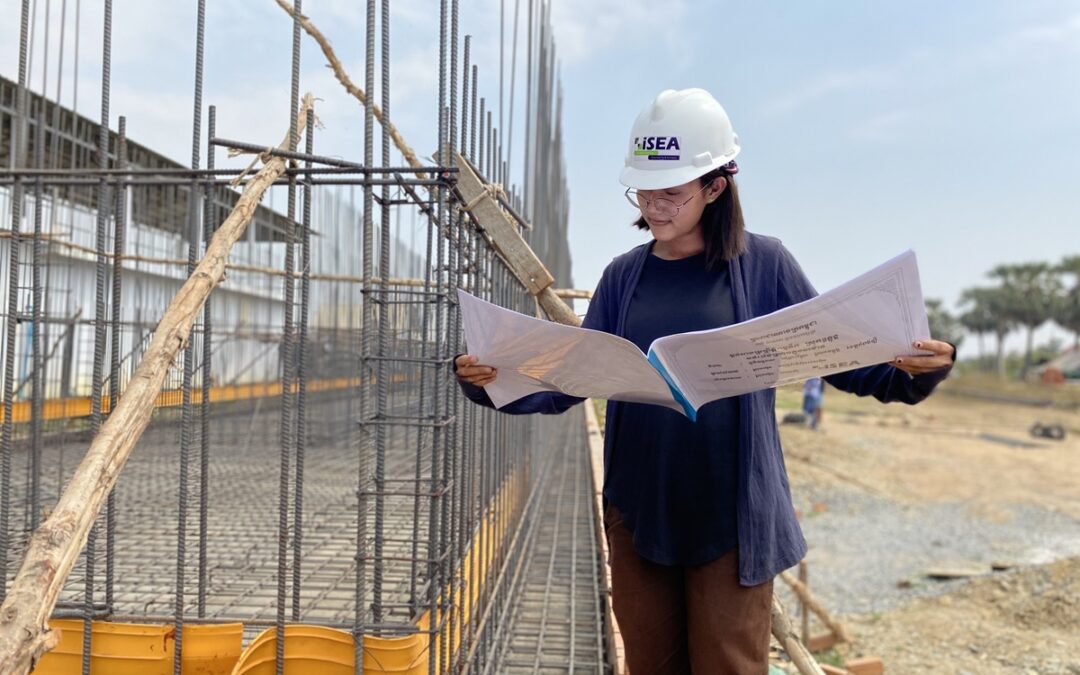
Water utilities in many emerging markets struggle to attract private capital not because capital is unavailable but because they are not yet ready for investment. Our work with the World Bank’s Water Practice showed how targeted upstream support can create the conditions that make private investment possible – stronger utilities, better regulation, clearer tariffs and credible business plans. We supported programmes in five countries (the Philippines, Cambodia, Indonesia, Kenya and Uganda) that focused in three areas:
- Stronger utility performance: helping utilities develop business plans, improve efficiency, reduce losses and strengthen financial management to build creditworthiness.
- Clear policy and regulation: supporting governments to develop regulatory frameworks that give investors predictability while protecting service quality and affordability.
- Bankable investment pipelines: structuring projects, developing performance improvement plans, conducting energy audits and preparing financing strategies to attract commercial lenders and private investors.
Results
The programme delivered tools and frameworks, business plan templates, performance improvement methodologies, energy audit models and tariff-setting guides — that are now being adopted more widely across the sector.
- Cambodia: National guidelines for supporting over 400 private water operators were approved by the Ministry. Progress was made toward establishing a dedicated water sector regulator — a long-standing barrier to investment. A creditworthiness course reached over 60 participants from 17 utilities and 6 financial institutions.
- Indonesia: Five utilities completed business plans now guiding investment planning and budget approvals. Two are pursuing PPP opportunities valued at around US$25 million. The Ministry of Home Affairs is using this methodology to support additional utilities.
- Kenya: Performance Improvement Action Plans were developed with 33 water service providers — the first time such a framework has been applied across the sector. Nine bankable projects worth US$6 million were identified, and nine utilities are expected to sign commercial loan agreements in 2026. Energy audits identified US$10 million of potential private investment across five utilities, with contracting expected by mid-2026.
- Philippines: Business plan and tariff-setting templates were piloted with four local government utilities, building towards cost-reflective pricing, a prerequisite for private investment.
- Uganda: The programme supported the National Water and Sewerage Corporation in preparing for what could be the first long-term corporate bond by a water utility in sub-Saharan Africa outside South Africa.
What’s next
These tools are now being taken forward across all five countries. The work is far from done, but this programme illustrates the kind of sustained, upstream support that is crucial — and chronically underfunded — to attract private capital into the water sector at scale.
23 f 2026 | Water to the Home
The challenge
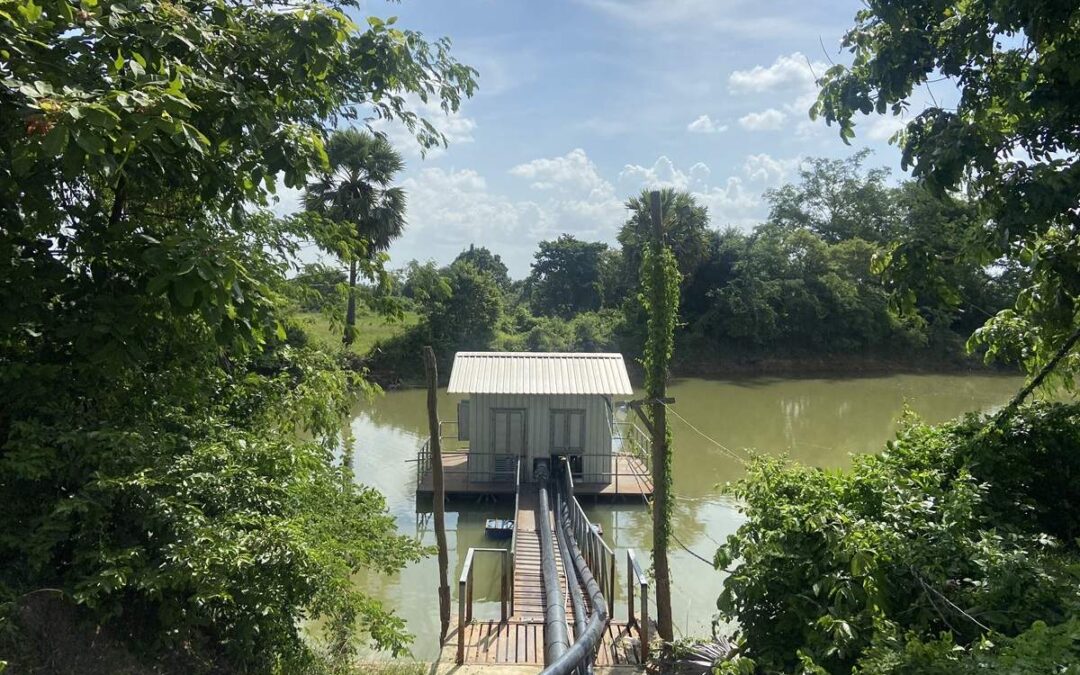
In Cambodia, over 400 private water operators deliver piped water to rural communities serving low-income households under 20-year government licenses. These operators are entrepreneurs who operate as for-profit businesses.
Two major challenges hold back growth:
- Financing: Extending piped water networks to all rural areas requires an estimated $2 billion in investment. The sector remains underfunded and even where financing is available operators struggle to access it due to the high collateral requirements of local banks.
- Performance: Many operators lack the technical and operational capacity to manage water systems professionally. This limits the pace of expansion and the quality of services provided.
Our approach
To address these barriers, we launched a programme in 2018 with two core components:
- Tailored, flexible financing: We provide long-term (10+ years) loans designed for licensed pipe water operators. These loans offer reduced collateral requirements compared with banks and revenue-linked repayments; operators repay more during the dry season when revenues are higher and less during the rainy season when demand drops. Loans are delivered through our Cambodian banking partner, BIDC.
- Technical assistance: To help operators strengthen performance and improve service quality, we offer hands-on support in technical design, construction, operations and sales. This assistance is provided through our local partner, AquaBridge.
In 2023, we established a new financing vehicle – the Water Revenue Financing Facility (WRFF) – to scale up this programme. The WRFF enables us to attract external capital from impact investors and banks, channelling more financing into Cambodia’s rural water sector.
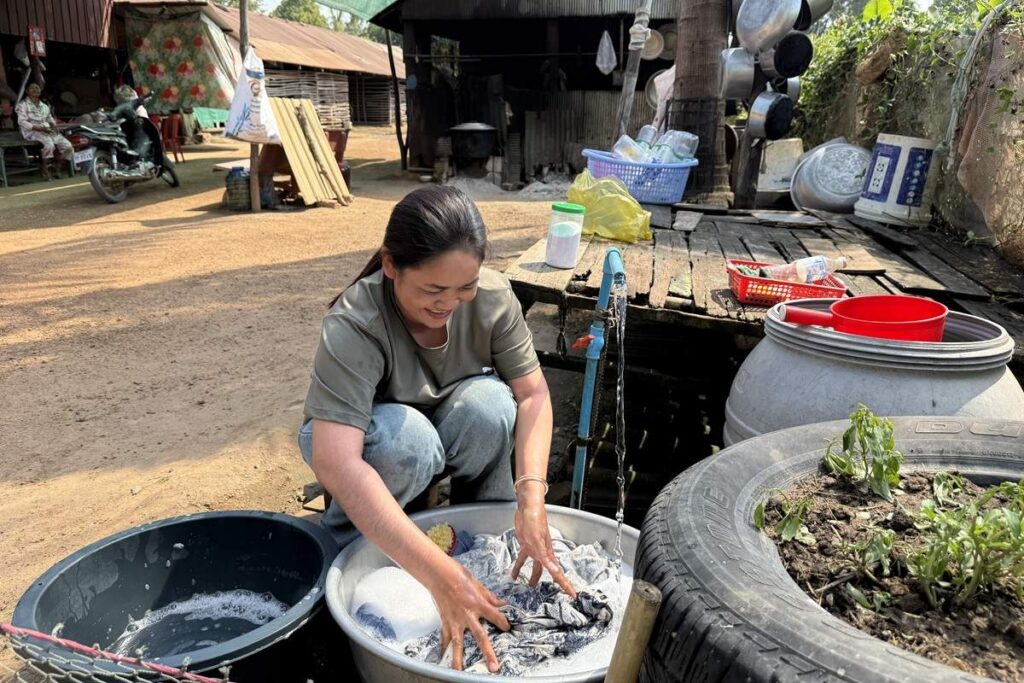
Results to date
Since 2018, the programme has achieved significant impact:
- $16 million in loans deployed to 35 operators.
- 96% loan repayment rate.
- 100,000 new household connections delivered.
- $8 million raised from external impact investors.
What’s next
By 2030, our goal is to deploy $25 million in loans to over 60 operators. To achieve this, we are raising additional capital and expanding our focus on performance and service quality to maximize impact.
Through WRFF, we are not only increasing access to piped water but also generating valuable insights on how to attract more finance to the rural piped water sector and how to professionalise small operators – two of the key challenges the piped water sector faces globally.
